
Sell Your Waco Home Now, or Wait for Rates to Drop?
Yes, for most sellers — even with the 30-year rate back above 6.9%. Buyer demand in Greater Waco hasn't disappeared, it's gotten more selective, and homes tha..
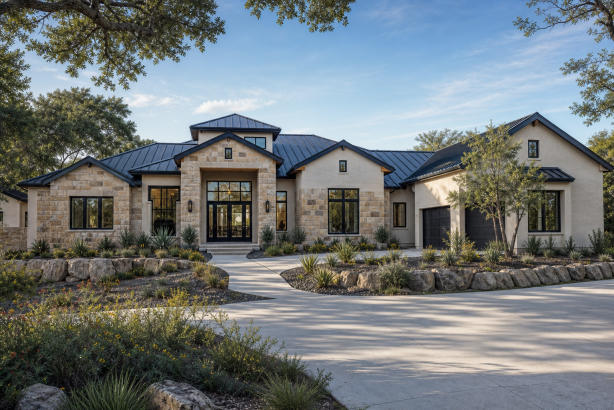
Sell Your Waco Home Now, or Wait for Rates to Drop?
Is Now a Good Time to Sell Your Home in Waco?
Yes, for most sellers — even with the 30-year rate back above 6.9%. Buyer demand in Greater Waco hasn't disappeared, it's gotten more selective, and homes that are priced right and show well are still moving. The bigger question isn't really "should I sell," it's "should I sell now or wait," and for most people weighing that — especially if you're buying your next home too — waiting doesn't actually dodge the rate. It just changes the price you're paying on both sides of the trade.
By Cristi McGowan | September 21, 2026
Every seller conversation I'm having right now starts the same way: "Should I just wait until rates come down?" It's a fair question. It's also one that has a different answer depending on your numbers, not the headlines.
Why Rates Are the Question Every Waco Seller Is Asking Right Now
The 30-year fixed rate is averaging 6.95% this week, up from 6.76% last week and 6.26% a year ago. That's a jump of nearly 70 basis points in twelve months, and it's happening while inflation is staying stubborn instead of cooling off the way a lot of people expected by now.
Here's what that actually changes for you as a seller:
- Your buyer pool narrows at the margins. Some buyers who qualified at 6.2% no longer qualify at 6.95% — which means pricing and presentation matter more than they did two years ago.
- Buyers negotiate harder on rate, not just price. Expect more requests for seller-paid rate buydowns or closing cost credits, especially on homes at the higher end of your price range.
- Decisions take a little longer. Buyers are running the math more carefully before they write an offer, which can stretch your time on market even in a healthy demand environment.
None of that means don't sell. It means the difference between a smooth sale and a frustrating one comes down to how your home is priced and prepared going in — not the rate itself.
Here's a simple way to see why waiting for a "better" rate rarely pays off the way it sounds like it should. Say you're eyeing a $450,000 next home. If you wait a year hoping for a half-point rate drop, but that home appreciates even 4% in the meantime, you're financing roughly $18,000 more in price to save a fraction of a point on rate — a trade that usually costs you more per month, not less. Rate drops and price gains rarely show up on your schedule, and betting your move on both happening in your favor is a bigger gamble than it feels like from the sidelines.
If you're also planning to buy your next home, here's the part people miss: you don't escape today's rate by waiting. Whatever the rate is when you sell is roughly the rate you'll be borrowing at when you buy — unless you're planning to sit on the sidelines for a year or more and hope rates drop faster than home prices rise in the meantime. For most of my clients moving up or right-sizing within Waco, the math works better to make the move now, lock in today's price on the home you're buying, and refinance later if rates do come down. Waiting to avoid a rate you're going to face either way rarely pencils out.
What's Actually Driving Demand in Greater Waco
Rates are only half the story. The other half is what's pulling people toward this market in the first place, and it's worth knowing if you're trying to gauge how much leverage you actually have as a seller.
Central Texas has drawn real, sustained interest from large-scale data center and industrial development over the past couple of years, and Greater Waco — sitting between Austin and Dallas-Fort Worth along the I-35 corridor — keeps coming up in those conversations. Projects in this category move through planning, permitting, and construction in phases, and not every announcement turns into shovels in the ground on the timeline people expect. But even the credible possibility of that kind of employer and construction activity tends to support longer-term housing demand, because it brings contractors, relocations, and support-industry jobs with it well before any single project is finished.
Layer that on top of what's already true about this market:
- New construction is active in and around Woodway, Hewitt, Robinson, and China Spring, giving buyers a real choice between new and resale in most price bands.
- Resale inventory in the $300,000–$700,000 range is where most of the competition sits right now, which is exactly where good pricing and staging make the biggest difference.
- Smaller communities like Lorena, McGregor, Axtell, and Bruceville-Eddy continue to draw buyers priced out of, or simply looking for more room than, the closer-in suburbs.
If you want the specifics on what's actually moving forward versus what's still just a proposal, that's a conversation worth having directly — the headlines move faster than the paperwork does, and I keep a close eye on which projects are real for my clients' timing decisions.
What this means for you as a seller is straightforward: you're not selling into a market that's cooling off for lack of interest. You're selling into one where buyers are being more careful about the numbers, which rewards sellers who do the same. A home that's priced against real, current comps — not last year's — and shows well from the first photo tends to still move at a healthy pace, even with rates where they are.
So Should You List Now, or Wait?
Run the actual math before you decide, not the general market narrative. A few things that change the answer for you specifically:
- What you'd net after selling. In Texas, you're not paying a state or local transfer tax — that's one line item you don't have to budget for, unlike sellers in a lot of other states. Your main costs are the agent commission, your share of title company fees, and any negotiated buyer concessions. On a typical $300,000–$700,000 sale in McLennan County, that usually lands in the 7–9% range of your sale price once everything is accounted for.
- Whether your next home costs more to wait for. If home prices in the neighborhood you want are holding steady or rising, a small future rate drop can be wiped out by a higher purchase price.
- Your actual timeline pressure. A job relocation, a growing family, or downsizing plans don't wait for the Fed. If you have a real reason to move, that usually outweighs a rate bet.
- Your home's condition and how it shows. In a market where buyers are more selective, the homes that sell fastest and closest to asking are the ones that are priced accurately and staged well from day one — not the ones sitting hoping for a rate-driven wave of new buyers.
When you sell in Texas, you'll also sign a Seller's Disclosure Notice — this is the state's way of making sure buyers know about the property's condition and any material defects before they commit. It's not optional, and it's not something to treat as a formality; getting it right up front avoids disputes after closing.
Your specific number — what you'll net, what you can afford next, and whether now beats waiting for your situation — depends on your home's condition, your loan balance, and your timeline. That's exactly the kind of math I walk my sellers through before we even talk about listing, because a general "the market is up" or "rates are high" answer isn't useful when it's your move.
Frequently Asked Questions
Will mortgage rates come down before next year?
No one can say for certain. Rates have moved up nearly 70 basis points over the past year despite earlier expectations they'd ease, and they remain sensitive to inflation data. Planning around a specific future rate is riskier than planning around the numbers you can lock in today.
Does Texas charge a transfer tax when I sell my house?
No. Texas is one of the states with no state or local real estate transfer tax, so that's not a cost you need to budget for at closing. Your main seller-side costs are commission, your share of title company fees, and any negotiated concessions.
What do I have to disclose when I sell my house in Texas?
Sellers of previously occupied single-family homes must complete the Texas Seller's Disclosure Notice, which covers the property's condition and known material defects, under Section 5.008 of the Texas Property Code. It's required, and accuracy matters — it's there to protect both sides of the transaction.
If I sell now, can I still find something to buy in Greater Waco?
In most price bands, yes. New construction is active in several suburbs and resale inventory is available across McLennan County and the surrounding counties, though the best-priced homes in popular neighborhoods still move quickly. Timing your sale and purchase together is the part worth planning carefully.
Is it better to sell before buying, or buy before I sell?
It depends on your equity, your comfort with a contingent offer, and current inventory in the neighborhood you want. Some sellers bridge the gap with a sale contingency, others use short-term financing. This is one of the first things worth mapping out before you list.
If you're weighing whether now's the right time to sell — or trying to figure out how selling and buying your next home line up — let's talk it through. Connect with Cristi and grab a time that works for you.
About Cristi McGowan
Cristi McGowan is the Broker/Owner of NextHome Our Town in Waco, bringing 20+ years of real estate and new-home sales experience to every listing, sale, and client relationship. Known for her data-driven market insight and calm, no-pressure approach, she's built her brokerage on transparency, modern marketing, and genuine human connection—NextHome's "Humans over Houses" philosophy in action. A lifelong Wacoan, Cristi helps buyers and sellers make confident decisions backed by real local expertise.

Connect with Cristi
Thinking about selling? Get local market insights, no pressure.
NextHome Our Town
Honest, data-driven advice for Waco-area homeowners thinking about selling, from Cristi McGowan, Broker/Owner of NextHome Our Town.
Visit Site